Kuba
Introduction
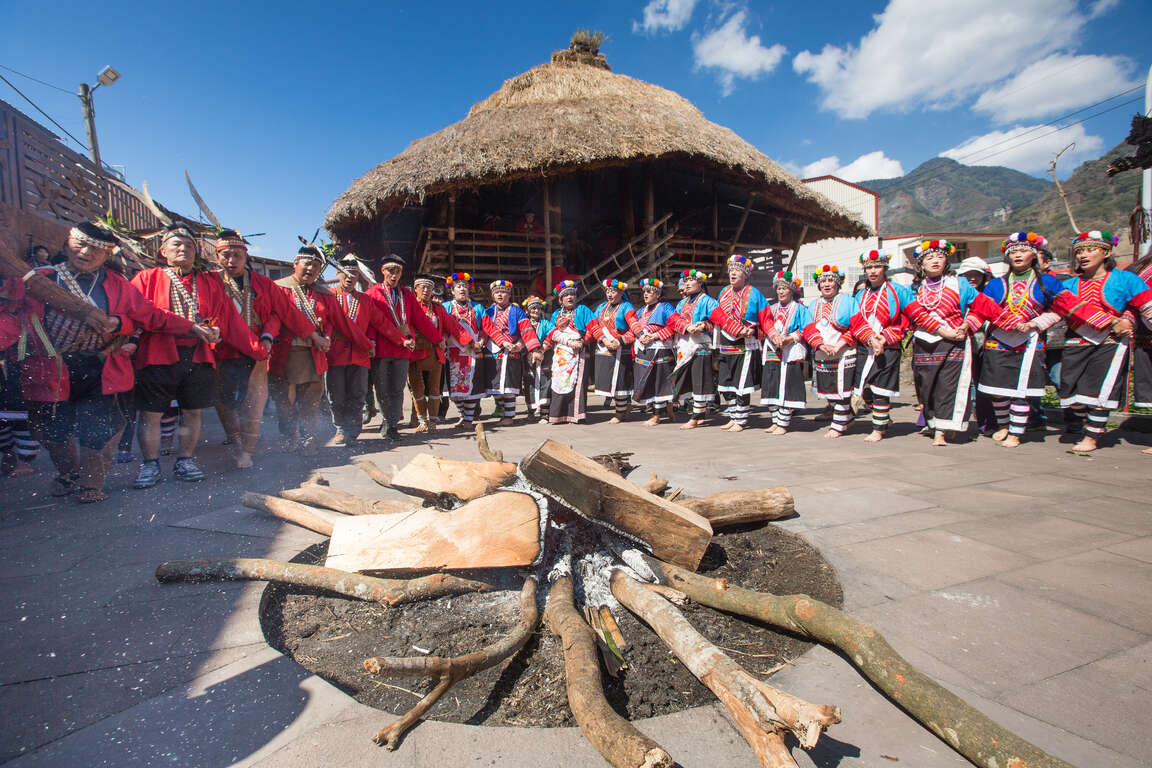
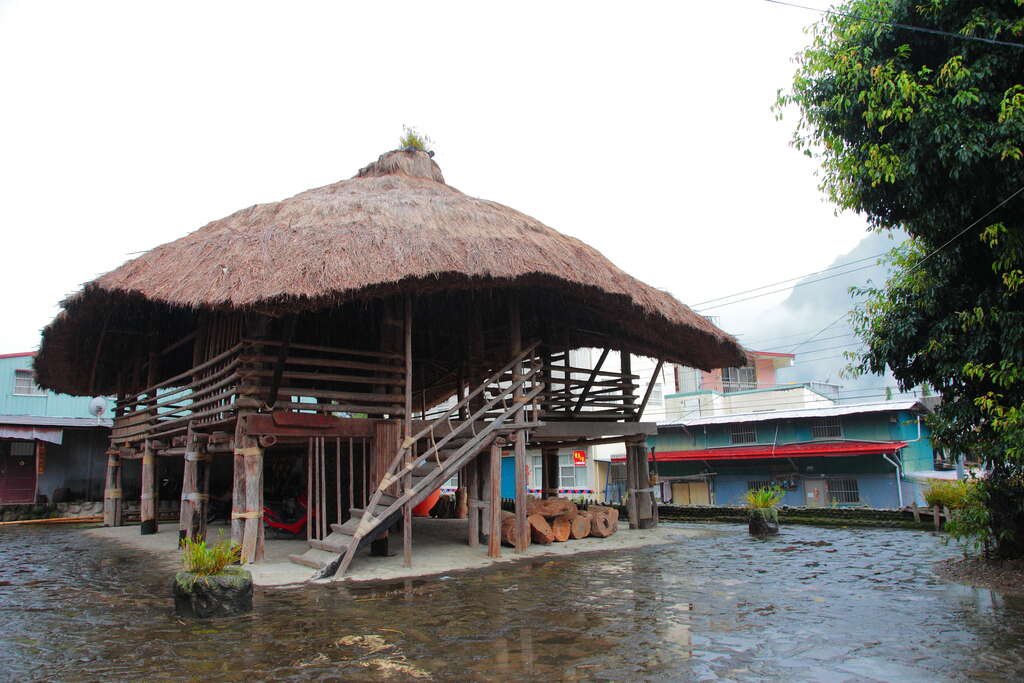
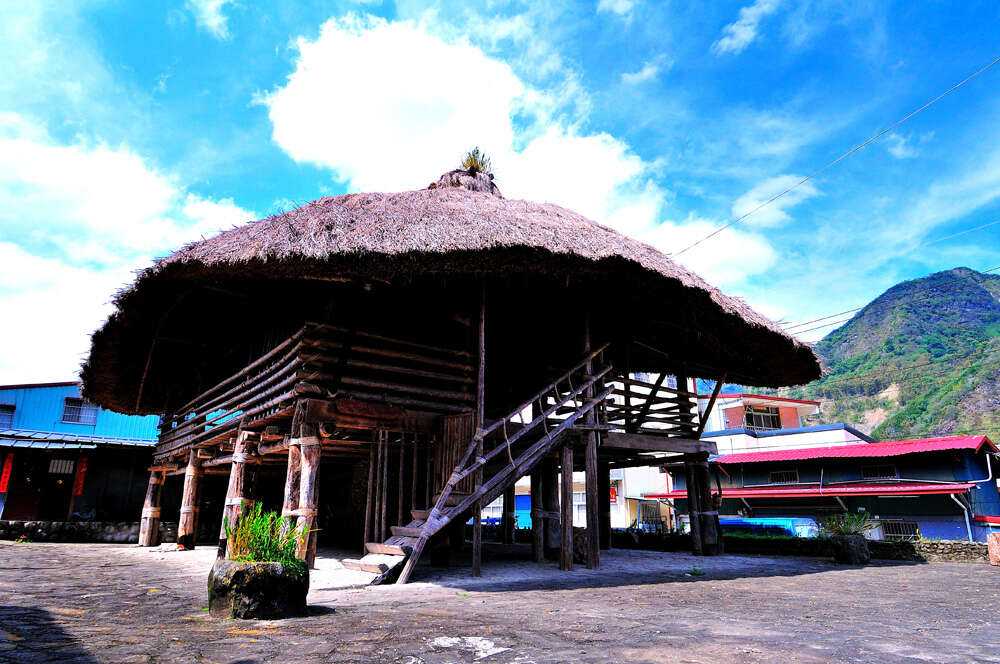
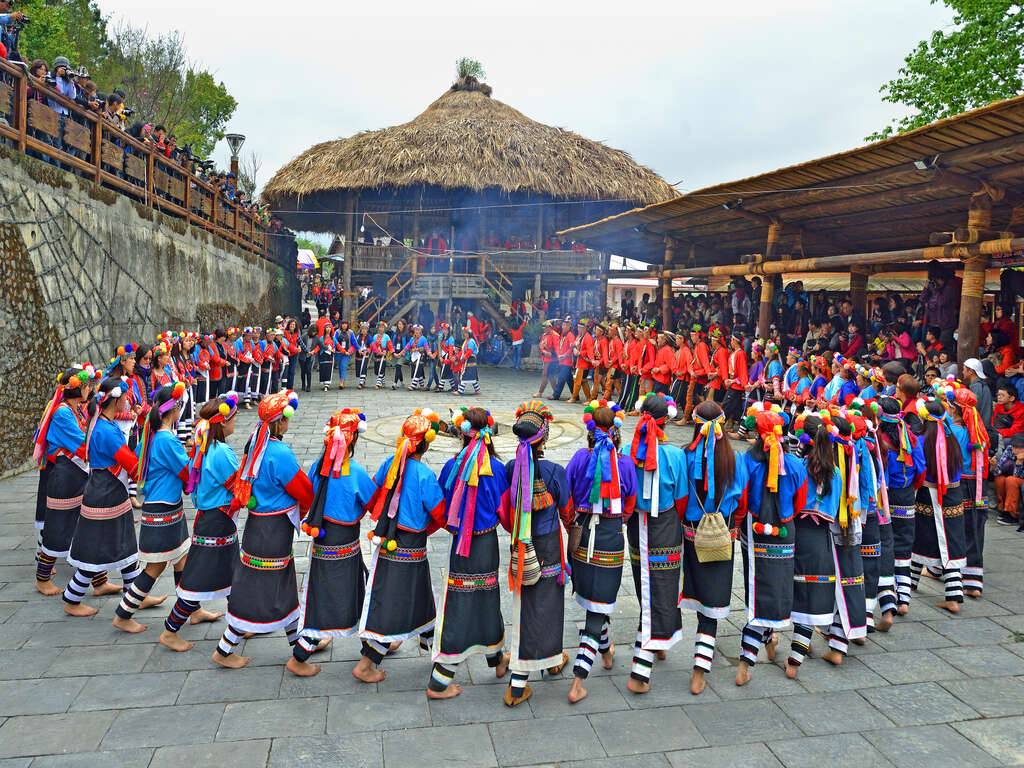
The kuba serves as an important site for traditional ceremonies and male gatherings, forming the spiritual core of the tribe. It is a grand wooden structure topped with a thatched roof, adorned with Dendrobium orchids—the sacred flower of the Tsou—along the roof ridge and both sides of the stairway. These orchids serve as a tribal identifier for the supreme deity (himo). Standing alongside the kuba is a Chinese banyan tree known as the "sacred tree" (yono), which legend holds acts as a ladder for the deity when descending to the tribe. Currently, authentic kuba architecture can only be found in the two major settlements of Tefuye and Tapangu.
Mayasvi, the most essential annual ceremony of the Tsou people, has its date determined independently by the elders and chieftains of the Tapangu and Tefuye settlements. Held in front of the kuba in their respective communities, the ceremony primarily honors the God of War (i'afafeoi). It serves to seek divine protection for warriors, safeguard the tribe, and encourage tribe members to pass down their courageous spirit.
Due to the sacred nature of the ceremony and its strict taboos, visitors attending the observance must strictly follow site regulations: entering the ceremonial ground without permission, flying drones, and loud noises are strictly prohibited. Furthermore, women are forbidden from climbing or entering the kuba structure itself. Through respect and understanding, travelers can help preserve this precious cultural heritage without disrupting the sacred rites.
Travel information
Opening Hours: Sunday:Open 24 hours a day
Monday:Open 24 hours a day
Tuesday:Open 24 hours a day
Wednesday:Open 24 hours a day
Thursday:Open 24 hours a day
Friday:Open 24 hours a day
Saturday:Open 24 hours a day
TEL: 886-5-2511858
Address: Alishan Township, Chiayi County Taiwán, R.O.C
Links: Facebook Fans
Facilities
- Briefing notes
- Parking